Malta’s young are moving out sooner
For two decades the EU average barely moved. Since 2017, Malta’s has fallen by three and a half years, to 27.5, the lowest on record.
- −3.5 yrs
- Change in Malta, 2017 → 2025
- 0.0
- Change in the EU average over the same period
- 9th
- Malta’s rank of 27, latest to leave home first
Key findings
- Young Maltese left home at 27.5 on average in 2025, down from 31.0 in 2017 and the lowest since the series began in 2003 (Eurostat).
- The EU average was 26.3 in 2025, unchanged since 2017; Croatia (31.5) and Finland (21.3) are ten years apart.
- The fall coincides with rapid immigration: non-Maltese citizens rose from 5.5% of residents in 2012 to 31.1% at the end of 2025.
Source: Eurostat, yth_demo_030 · series break in 2021
Across the EU, the average age at which young people leave their parents’ home has sat between 26.1 and 26.8 since 2002. Behind that calm number, countries sit a decade apart, and most of them have stayed exactly where they were.
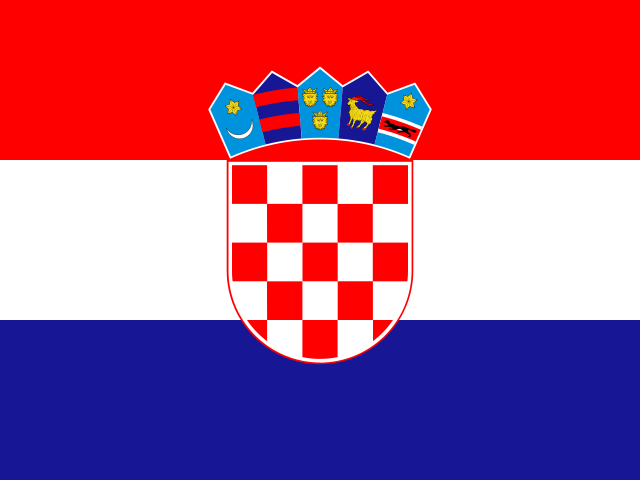
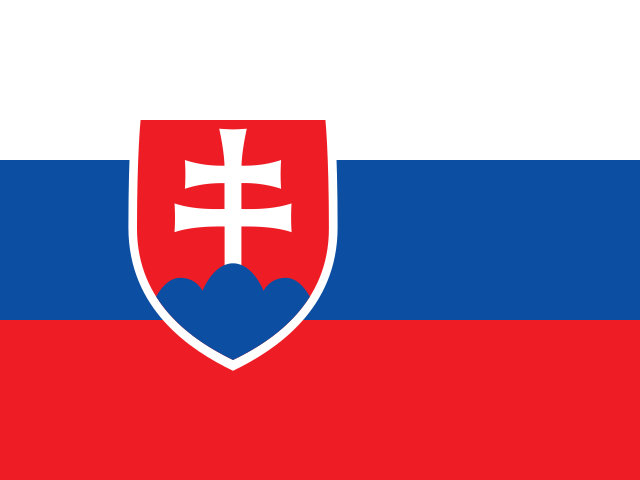
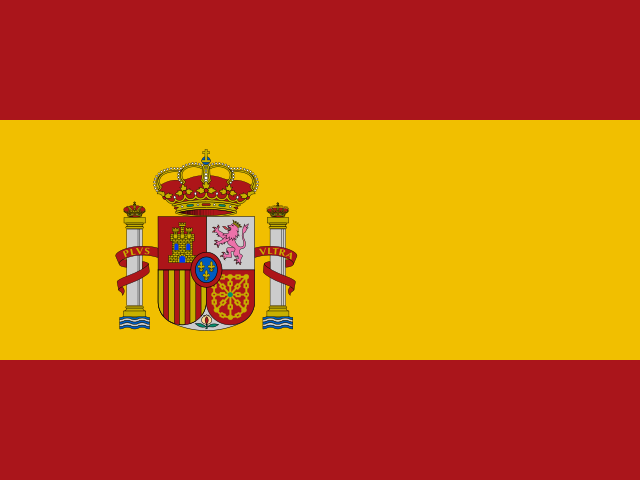
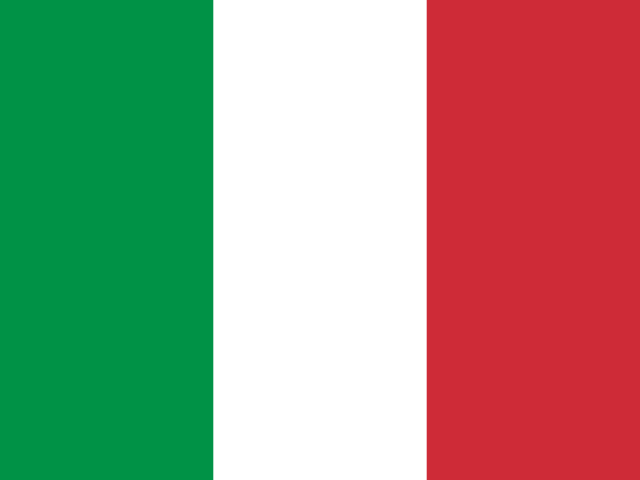
Croatia is still the latest in the Union, at 31.5 in 2025. Finland is still the earliest, at 21.3. Greece, Slovakia, Spain and Italy all remain at 30 or above.
 HR
 EL
 SK
 ES
 IT
 PT
 SI
 BG
 MT
 RO
 HU
 CY
 IE
 PL
 LU
 EU
 BE
 CZ
 LV
 AT
 DE
 FR
 NL
 SE
 EE
 LT
 DK
 FI
Columns start at 18 years, not zero, so the differences between countries are visible.
Malta is the exception. Young Maltese left home at 31.0 on average in 2010 and again in 2017, close to Croatia. By 2025 the figure was 27.5, the lowest Eurostat has published for Malta since its series began in 2003. That is a fall of 3.5 years in eight years, while the EU average moved by 0.0. About 1.5 of those years came in 2021, the year Eurostat flags a break in the series, so part of the fall may be methodological; but the figure fell 1.2 years before the break and kept falling after it. Malta now ranks ninth-latest of the 27, 1.2 years above the EU average.
Three explanations, tested
The data shows that Malta moved, not why. Three candidates fit the timing. Only one can be checked properly with what is published today.
1. Who the young are. Malta’s population grew from 421,464 in 2012 to 542,051 in 2022, according to the National Statistics Office’s revised estimates. Almost all of that growth came from abroad: foreign residents rose from 5.5% of the population to 25.3%, while the number of Maltese nationals rose by 1.7%. By the end of 2025, non-Maltese citizens made up 31.1% of residents, and more than half of them were aged 20 to 39.
This matters because of how the indicator works. Eurostat estimates it from survey data on which young residents still live with their parents. A 25-year-old who moved to Malta alone counts as someone who has already left home. A large inflow of young adults without family on the island pulls the average down even if no Maltese household changes its habits.
2. Work. Malta has one of the strongest labour markets in the EU. Unemployment was 3.4% in September 2026, joint second-lowest in the Union, and youth unemployment was 9.7% in August, against 15.4% for the EU. Secure jobs make moving out easier, so this could account for part of the fall.
3. Housing. House prices rose fast over the same period. That pushes the other way: dearer housing usually keeps young people at home for longer. If Maltese-born young adults are leaving earlier, they are doing it despite prices, not because of them.
What would settle it
The test is simple: the same indicator for Maltese nationals only. Eurostat does not publish that split for Malta, and Eurostat flags a methodological break in 2021, the year Malta’s figure fell from 29.8 to 28.3. Until the NSO or Eurostat publishes a breakdown by citizenship, the safest reading is that Malta’s headline number says at least as much about who lives in Malta as about how Maltese families live.
Questions readers ask
At what age do young people leave home in Malta?
27.5 on average in 2025, according to Eurostat’s estimate (yth_demo_030), against an EU average of 26.3.
Where in the EU do young people leave home latest and earliest?
Latest in Croatia (31.5 in 2025), earliest in Finland (21.3).
Why has Malta’s figure fallen?
The data does not say. The leading explanation is the inflow of young foreign workers, who count as already living away from their parents; a strong job market may also help.
How we did this
Eurostat estimates the average age at which young people leave the parental household from survey data on whether people aged 15 to 34 still live with their parents (dataset yth_demo_030). Eurostat flags breaks in Malta’s series in 2005 and 2021. Population figures are the National Statistics Office’s, as reported in the press; we link to the NSO’s own release where available.
Sources
- Eurostat: Estimated average age of young people leaving the parental household (yth_demo_030)
- NSO Malta: Intercensal population revisions 2012–2021
- Malta Business Weekly: Malta’s population increases by 28% in 10 years (NSO figures)
- MaltaToday: Malta’s population rose to 588,254 by end 2025 (NSO figures)
- Eurostat: Euro area unemployment at 6.5% (30 October 2026)
- Eurostat: Euro area unemployment at 6.4% (1 October 2026)
The tables behind our charts are in the Data Room. To cite this article: Jake Aquilina, “Malta’s young are moving out sooner”, Signal and Noise, 2 November 2026, https://signalandnoise.xyz/stories/malta-leaving-home/.